The State of Washington requires every applicant for a private investigator‘s license to demonstrate some level of understanding of a wide variety of rules and laws surrounding the work a PI does on a regular basis. Since the spectrum of work PI’s perform is very broad the amount of material covered by state requirements is also very broad.
For the state’s list of course materials simply follow this link. To research, study, and understand all of that material takes many hours of diligent effort.
Which is why we’ve created this course. We’ve done the grunt work for you by pulling together, sifting through, analyzing, and organizing those materials into a comprehensive course which will assist you in fulfilling the state’s requirements.
We call this course PIPAT for PI Pre-Assignment Training.
PIPAT is not going to teach you how to do the many things PI’s do on a daily basis. It isn’t going to teach you how to do a background check, a skip trace, or investigate a crime.
Instead, PIPAT’s purpose is to teach you how to avoid running afoul of the law while your doing any or all of those things. It is here to help you to:
- Avoid harming the public
- Avoid harming your clients
- Avoid committing a crime
- Avoid being sued
The PIPAT course covers the following topics in considerable detail.
- Why Does the State Require Training
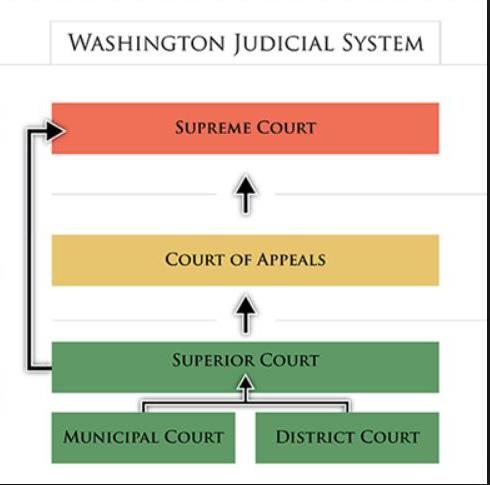
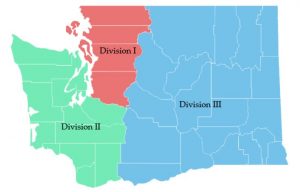
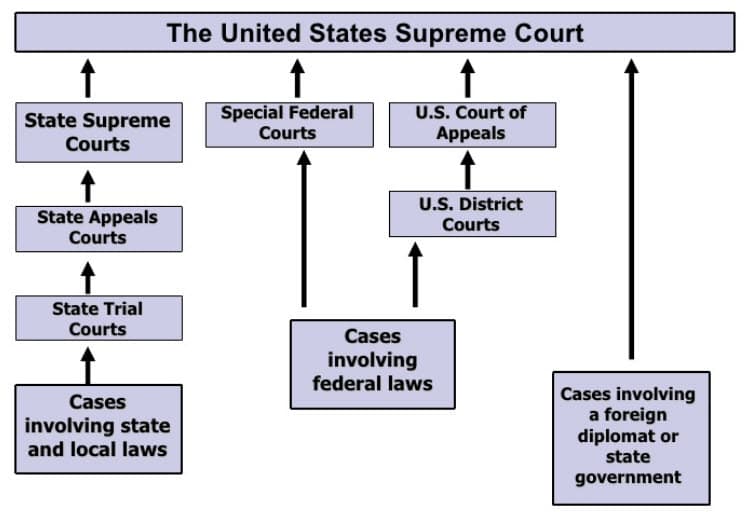
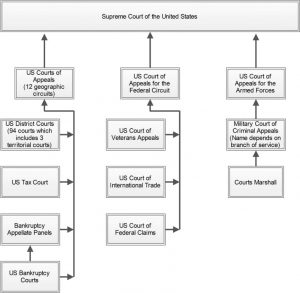
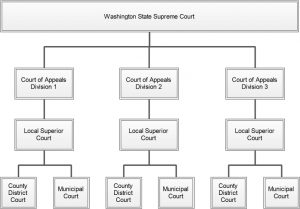
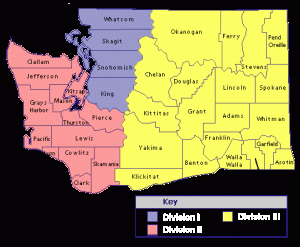
- The Court System
- Confidentiality and Privilege
- Powers of Arrest
- Violating the Right to Privacy – Part 1
- Violating the Right to Privacy – Part 2
- Representation and Misrepresentation
- Fair Credit Reporting Act (FCRA)
- The Private Investigator’s RCW
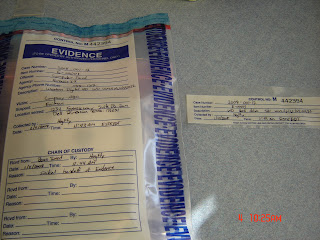
- Evidence – Part 1
- Evidence – Part 2
- Evidence – Part 3
- Report Writing – Part 1
- Report Writing – Part 2
- Testimony in Court and Elsewhere – Part 1
- Testimony in Court and Elsewhere – Part 2
- Common Sources of Public Information – Part 1
- Common Sources of Public Information – Part 2
- Common Sources of Public Information – Part 3
- Revised Code Of Washington – Title 9A
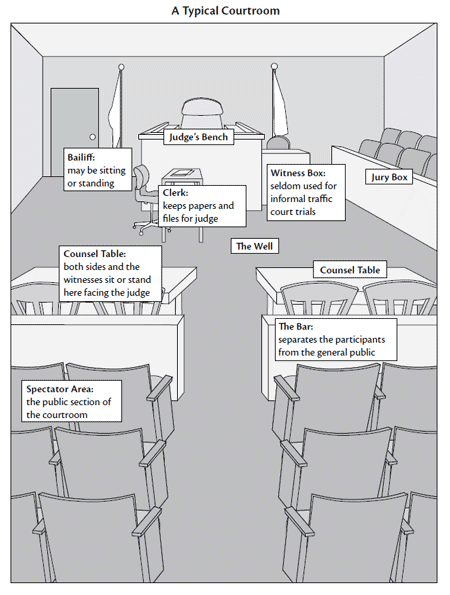 This is a rough diagram of a typical courtroom in the state of Washington. Courtrooms vary a great deal from city to city and county to county but they all have the same basic structure.